Log In
Where's a store?
Contact Us


Shop by Style
Brick
Rock / Stone
Wood
Other
Shop by Product
Panels / Siding
Corners
Ledgers
Window / Door Trim
Columns / Posts
Mailboxes
Accessories
Shop by Panel Line
Wellington Panels
Carlton Panels
Regency Panels
Norwich Panels
Oxford Panels
Cambridge Panels
Windsor Panels
Nailon Siding
Novi Siding
York Siding
Log Siding
Raised Grain Panels
Woodland Panels
Shop by Column Line
Ashford Columns
Wellington Columns
Carlton Columns
Norwich Columns
Windsor Columns


Subscribe to our
Free Newsletter

Don't worry, our emails are very useful, and you can unsubscribe any time.


You are at Home Installation and Maintenance Wellington Installing Fauxp Panels Outdoors

Installing Wellington Panels Outdoors: Basic Guidelines

PDF Format Download This Page As A Printable PDF


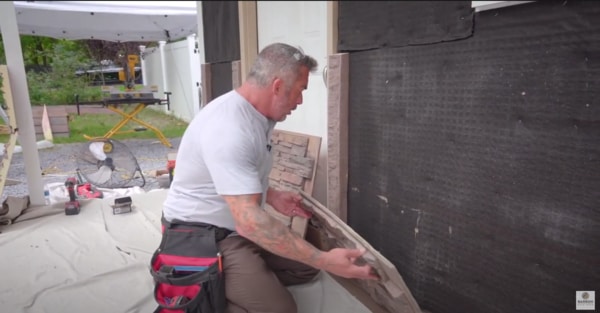
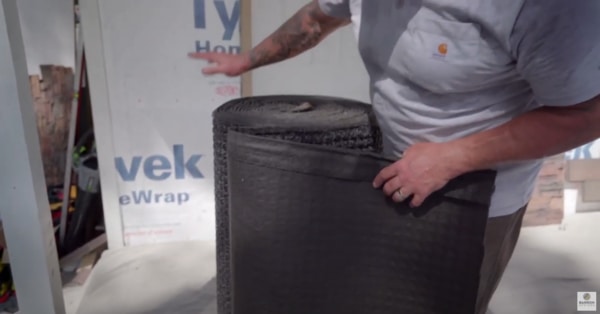
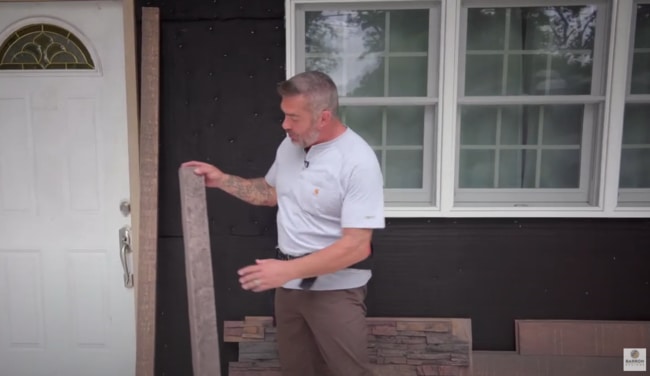
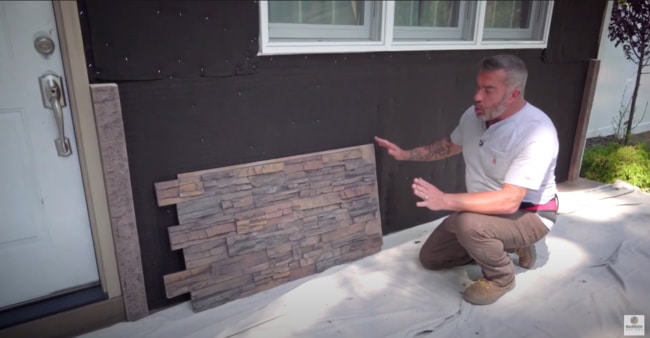
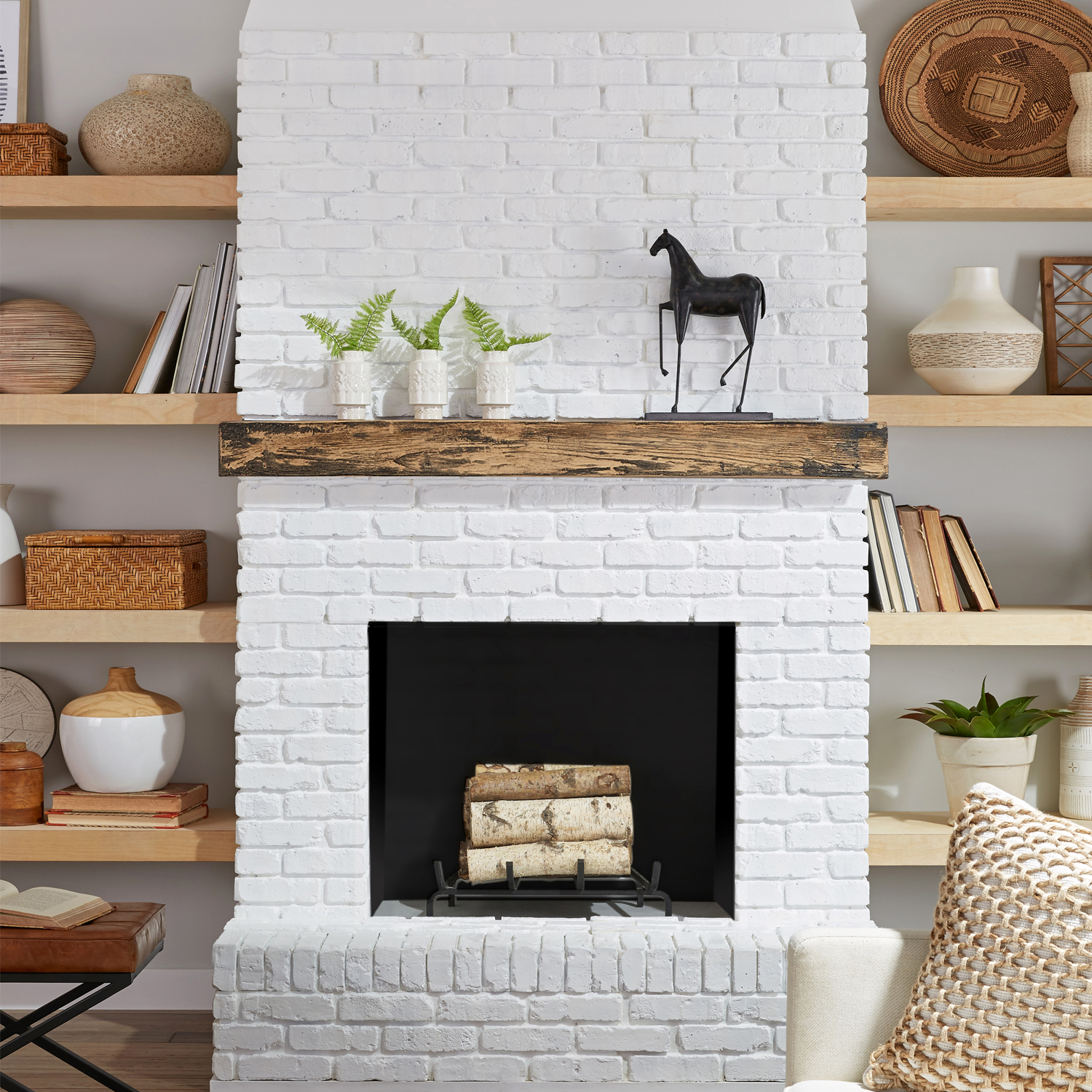
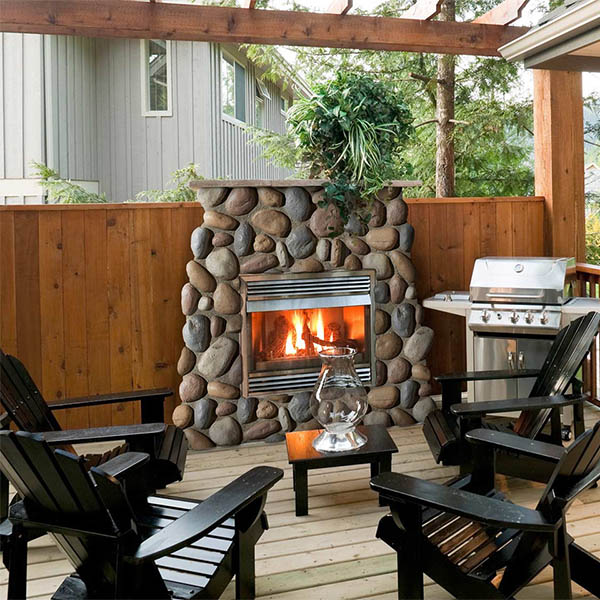
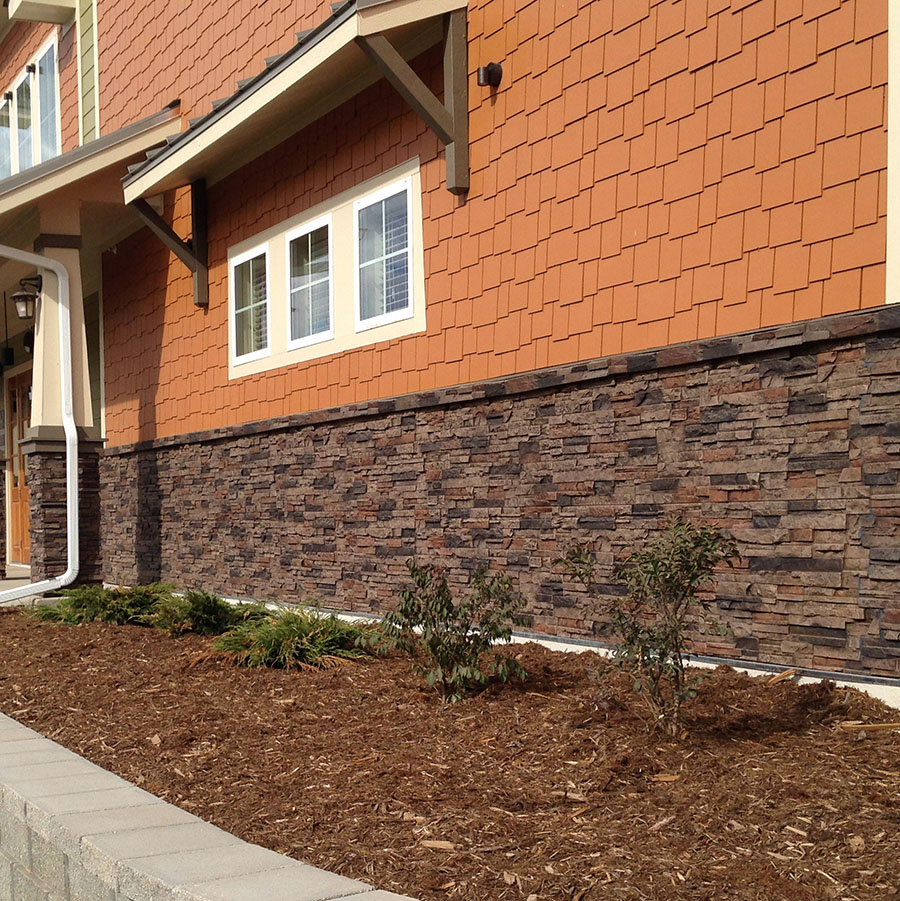
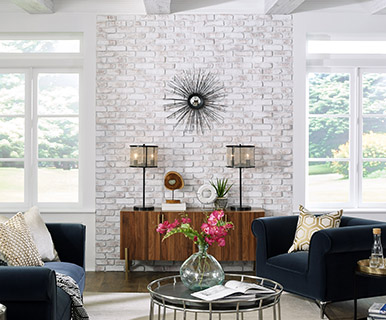
 Exterior design projects begin with the prep   Exterior design benefits from using a drainage mat   Measure carefully before installing faux stone panel

1. Begin your exterior design project by first by making sure that the wall you’re attaching the faux stone to is clean. Wipe down the surface and use a wire brush on harder surfaces. Wipe the back of the faux stone panel as well.

Acclimatize the faux stone panel to roughly the same temperature and humidity as the installation surface for about 24 hours. Do not store FauxPanels in direct sunlight or close to heat sources prior to installation.


2. This step shows how to use a drainage mat behind the panels in your exterior design. Roll out and apply the FauxPanel Drainage Mat to the entire exterior wall to be covered. Use the adhesive/glue behind the mat and exterior-grade staples through the mat into the wall to firmly attach the mat to the wall.

NOTE:
If a house wrap is used, (always check and comply with all building codes that pertain to your region if house wrap is needed) the Drainage Mat must be installed on top of the house wrap, not the other way around. The DM-3611R Drainage Mat meets the Canadian Building Codes and is required for most exterior installations done in Canada.

  3. Plan the layout of your panels to best suit your space.

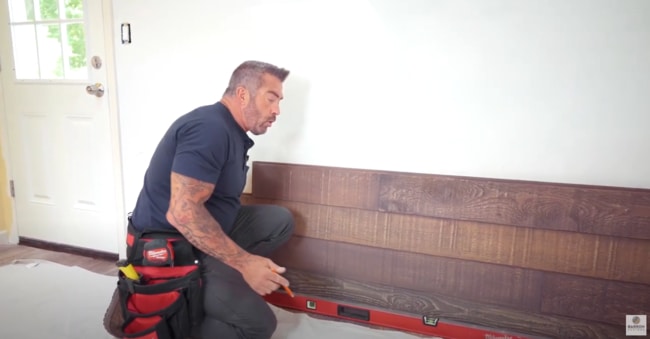
Find the high point on your floor/ground using a level. Measure up from the high point of the floor/ground and mark the wall to the height of the faux stone panel. Draw a level line across your exterior wall as a guide.
         
Good exterior design requires good glue application   A good gluing technique creates a solid exterior design   Carefully placed screws will secure your exterior design.

4. Apply a bead of glue/adhesive to the perimeter of the back of the faux stone panel, roughly an inch from the edge.

Add additional glue/adhesive to the rest of the panel back in a vertical straight line pattern with beads of glue/adhesive only 4 inches apart or less


5. Apply the faux stone panel to the wall. Use a slight twisting motion to ensure good contact with the glue/adhesive and the wall. Make sure the panel is level.


6. Begin fastening the faux stone panel to the outside wall with screws all around the perimeter at roughly one foot apart or less. Additional screws should be placed in the middle of the panel at a rate of about 1 screw per square foot. All screws should be very slightly recessed below the surface of the panel. Do not over tighten the screws.

Hint:
Placing screws under protruding rocks, in crevices, or grout lines, will help conceal them and give a cleaner/more realistic look.

         
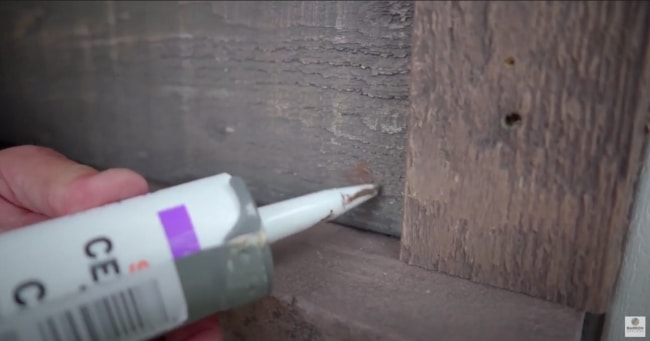
Good faux stone exterior design requires good glue   Textured caulk improves the appearance of your exterior design while also enabling it to last longer   Repeat steps 4-8 until your exterior design is finished.

7. Add adhesive to the lip of the faux stone panel where the next panel will overlap, about 1 inch away from the textured face of the panel.


8. Add the textured caulk to the crease where the panels will meet. This is very important to ensure a weather-tight seal.

Steps 7 & 8 help maintain the integrity of the panel installation by preventing any possible flexing or separation of the product due to extreme temperature and humidity changes once the installation is complete. Use the textured caulk to conceal the screw heads as well.


9. Repeat steps 4-8 for the next faux stone panel to be installed. Place it onto the wall next to the first panel. Keep the panel level. Press the panels firmly against the wall with a slight wiggle motion to help spread the glue.
Install the panel very tightly against the first faux stone panel, as they may expand and contract with temperature changes. Continue repeating steps 4-9 until your first row is complete.

         
Wipe away any excess textured caulk from between the faux stone panels for a clean look   Keep attaching faux stone panels to the one below it, until your exterior design is done.   River rock exterior design cannot be offset.

10. Use a damp cloth to wipe off any excess textured caulk before it dries. A wet finger, paint brush, or other such tool can assist in smoothing and blending the caulk. Use the textured caulk to also fill in any voids, gaps, screw heads, or spaces. Click here for more details on caulking panels.


11. If you are installing multiple rows of faux stone panels, start on the next row above the one just completed. Repeat steps 4-9 for the next row of faux stone panels to be installed.

Note:
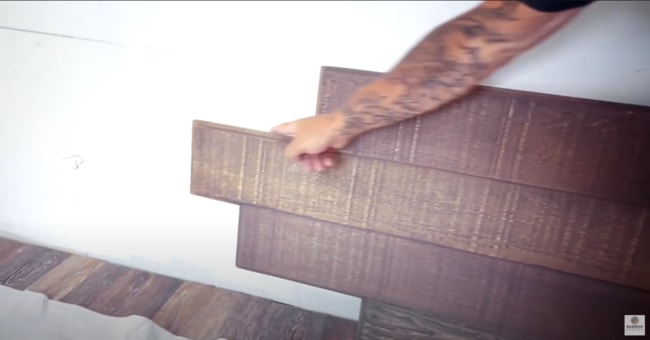
The panels are designed to butt up to each other bottom to top. This 'shiplap' joint should be glued and caulked as described in steps 7 & 8 to ensure a tight seal and seamless look.
For a more random look, offset each row by a half sheet. This will make pattern repeats less noticeable.

  11a. When installing the River Rock panel you will not be able to offset the panel when installing one over the other due to the nature of their interlocking patterns.
         
Your faux stone panel exterior design is now done. Pat yourself on the back!        

12. Using the paint from the Touch-up Kit, paint the FauxPanels, screw heads, and textured caulk as needed. Click here for more details on Touching Up Wellington Panels.

Stand back and admire your handiwork.


Tips...

Be sure that the panels are oriented properly, the tongue portion of the panel is on top of the panel, and the groove portion of the panel is on the bottom. All joints including miters will need to be glued and caulked. The panels may require additional shimming and trimming for proper alignment.

Be sure to follow and obey all safety rules and recommendations set forth by tool manufacturers.
Always follow any, and all, local, state, and federal building codes.  Always comply with any specified clearances set forth by the manufactures of stoves, fireplaces, furnaces, and any other heat sources, as well.


How helpful was this page?

  Your rating:
| | | | |
 
Your comments (optional):
Your e-mail (optional):
(Privacy Policy)

 
1 (800) 651-4223     Click here to e-mail us.
Follow us on:
Facebook Facebook Facebook Blog
  We Accept:   Guaranteed Security:   We are members of:
We Accept

Both credit and debit
PayPal verified
Click to verify BBB accreditation and to see a BBB report.
0

© 2006—2012 FauxPanels.com™     Terms and Conditions    Privacy Policy