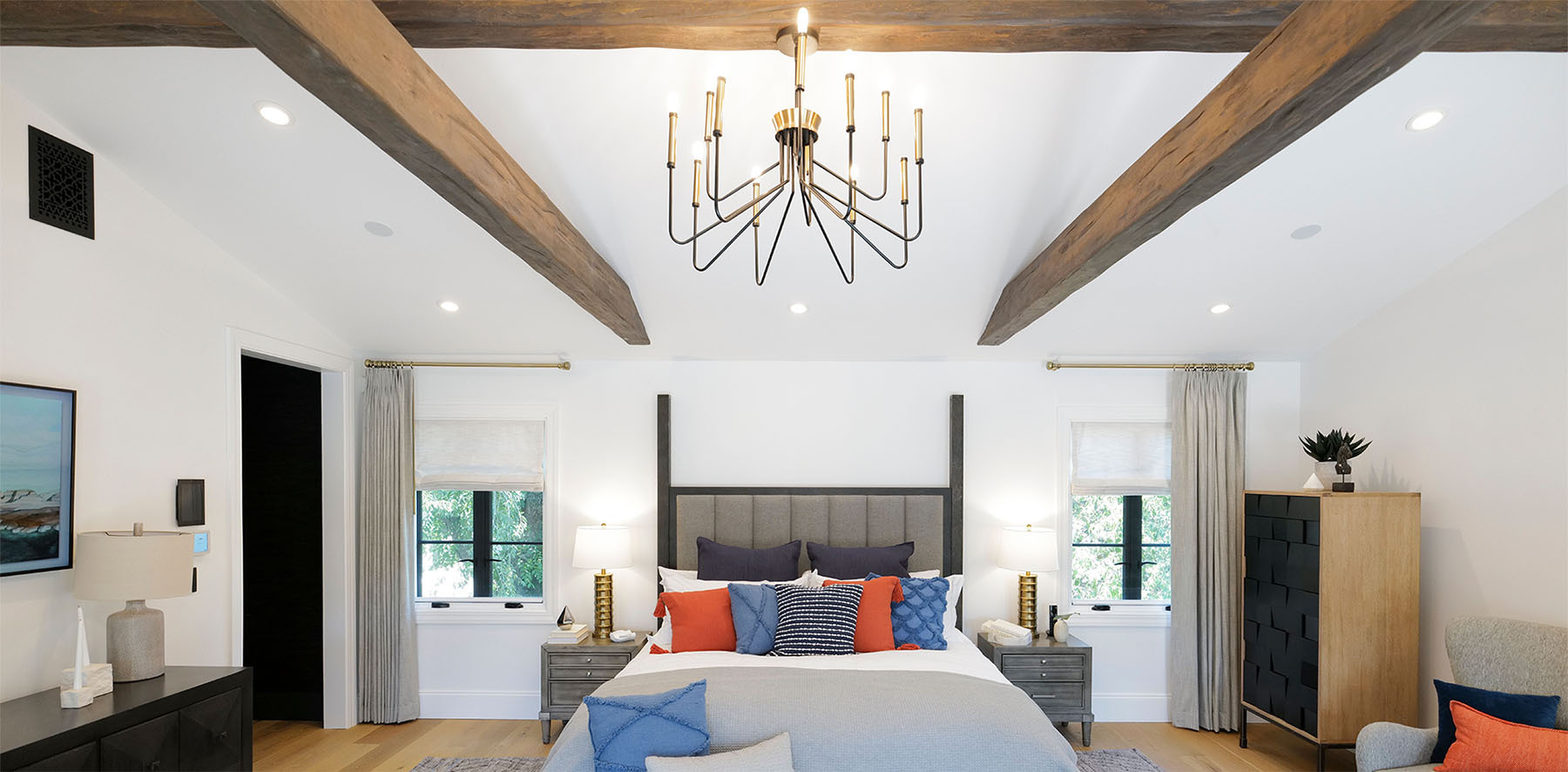
Specifications: Wellington Faux Panels™
Urethane Technical Information |
Physical Properties |
Test Method |
Results |
Solids by Weight
|
ASTM D 1353
|
100%
|
Tensile Strength |
ASTM D 638 |
3350 PSI |
Elongation |
ASTM D 638 |
8.00% |
Temperature Limitations |
ASTM D 497 |
-30F to 180F |
Flexural Strength |
ASTM 790 |
6600 |
Flexural Modulus |
ASTM 790 |
210.000 PSI |
Gardner Impact |
ASTM D 3029 77F -40F |
120 IN/LB 35 IRDIB |
Heat Deflection @66 psi |
ASTM D 648 |
85F |
Comprehensive Strength at 10%
Deflection |
ADTM D 695 |
4500PSI |
Abrasion Resistance
|
ASTM D 1242
Method A, 1 000 Revolutions, 10 lb load number 80 TP aluminum oxide grit thickness loss in MILS 7.1
percentage thickness loss 3
|
|
UV Resistance |
Protect with approved coating |
|
Surface Burning Characteristics |
ASTM E84-9 a |
|
Flame Spread |
30 |
|
Smoke Index |
450 |
|
FAUX ROCK THERMAL CYCLING TEST
The following tests of the faux rock sidings were performed in period of July 06 to July 17, 2009:
- Thermal Cycling test at Wyle Lab
- Outside Exposure test in Palm Springs
Thermal Cycling test at Wyle Lab
The panels are subject to Thermal Cycling Testing in accordance with Watkins’ specification. The goal of the test was to expose the faux rock siding to extreme high and low temperature in order to measure the contraction and expansion rate of the panels.
The test was done in four cycles:
- Reference dimensions have been taken at temperature of 72° F prior the test.
- Cycle # 1- Exposure to -45° F
The panels were exposed to -45 F for 24 hrs. Dimensions and picture were taken immediately after the chamber was safe to occupy.
- Cycle # 2- Exposure to +135° F
The panels were exposed to +135 F for 24 hrs. Dimensions and picture were taken immediately after the chamber was safe to occupy.
- Cycle # 3- Exposure to -45° F (Repeated cycle # 1)
- Cycle # 4- Exposure to +135° F (Repeated cycle # 2)
- The panels were soaked for 2 hrs at temp of 72°F and dimensions and pictures have been taken
The test was completed following the test protocol and Watkins requirements. Upon completion of every cycle dimensions and photos were taken by Wyle technician and Watkins’ engineer. Besides taking dimensions of the panels and the gaps between the panels and corners, the siding was also visually checked for the cracks, warpage, blistering, and any kind of damages.
Conclusion: During the thermal test the panels were expanding and contacting and returning to normal stage. An expansion and contraction recorded range was +/- 0.125”. The dimensional change from the reference stage to the stage after the test was from 0.06” – 0.125” (panel’s length 61.75”). No cracks, warpage, damages, etc were observed during the test. (See att. tables and pictures).
- Outside Exposure to sunlight and high temperature
The goal of the test was to expose the faux rock panels to very high temperature and natural sunlight (UV). The spa was taken to Palm Springs. The outside temperature has reached 117° F. The spa was placed on the flat- bed truck with the front panel facing the south. The temperature was checked with two different devised: thermocouples and heat gun. During the test the temperature of the panels was changing depends of the position of the sun from 125° to + 195° F. The temperature was recorded every 1.5 hr starting from 11:30 am. The dimensions were taken at 11:30 am and 1:00 pm. The siding was checked visually for expansion, gaps, cracks, damages, blisters, etc. every 1.5 hr.
Conclusion:
During the test, nothing unusual was observed on the siding. Although the temperature of the panels reached 195° F, the siding looked and performed very well. The siding was heating and cooling down very fast depending on the position of the sun. After the test was completed, the panels returned to the normal stage.
(See tables and photos below).
- Thermal Cycling test at Wyle Lab (Tables & Pictures)
Due to very high number of the pictures (72 and 4 tables), the number of the picture and tables are reduced to a several typical examples.

This table shows the dimensions of the front panel (left & right side) at the temperature of 135° and - 45° F.

These tables show the gaps on the front panel (left & right side) at the temperature of 135° and - 45° F.
Front Panel at 72° F.

This is a picture of the Front Panel at 72° F. It is a typical picture for every panel showing complete panel.
 
This pictue shows the gaps on the left and right side of the panel at 72° F (typical for every panel).
Front Panel at -45° F. (Wyle Lab)

This picture shows the front panel at -45° F (typical for every panel).
 
This picture shows the front panel gap on left and right side at -45° F (typical for every panel).
Front Panel at 135° F. (Wyle Lab)

This picture shows the front panel at 135° F (typical for every panel).

This picture shows the front panel gap on left and right side at 135° F (typical for every panel).
Outside Exposure to sunlight (Palm Springs)

This table shows the dimensions of the right side panel and temperature change from 165° – 115° F.

This table shows the dimensions of the left side panel and temperature change from 125° – 195° F.

This table shows the gaps on the left side panel (left & right side) and temperature change from 125° – 195° F.

This picture shows the front panel at 135° F.

This picture shows the front panel gaps on left and right side at 135° F.

This picture shows the left side panel at 195° F.
 
This picture shows the left side panel gaps on left & right side at 195° F.
For prices and sizes click button below.
|